
Complicated Grief
Grief that is new, but also old

Your first friends are often your siblings and your cousins. If you’re really lucky, your cousins will be as close as siblings, and you’ll have a big, beautiful family to grow up with. But when you’re lucky enough to be surrounded by so much love, you’re also that much more susceptible to heartbreak.
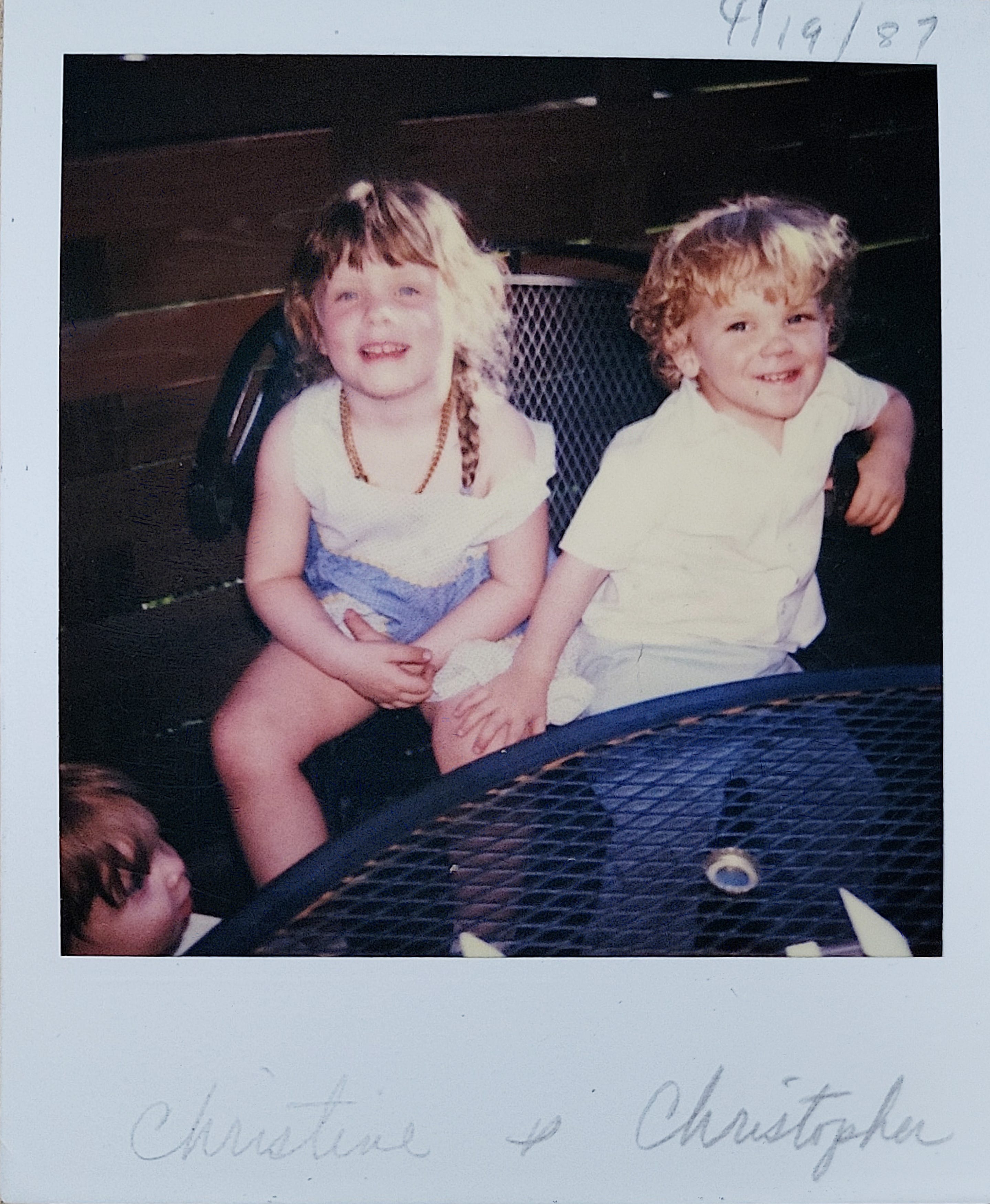
My cousin, Christopher, was one of my first best friends. We bonded over our shared name, being the eldest siblings in our respective households, Paula Abdul, and basically every Saturday morning 80s cartoon that existed. As children, we were always together.
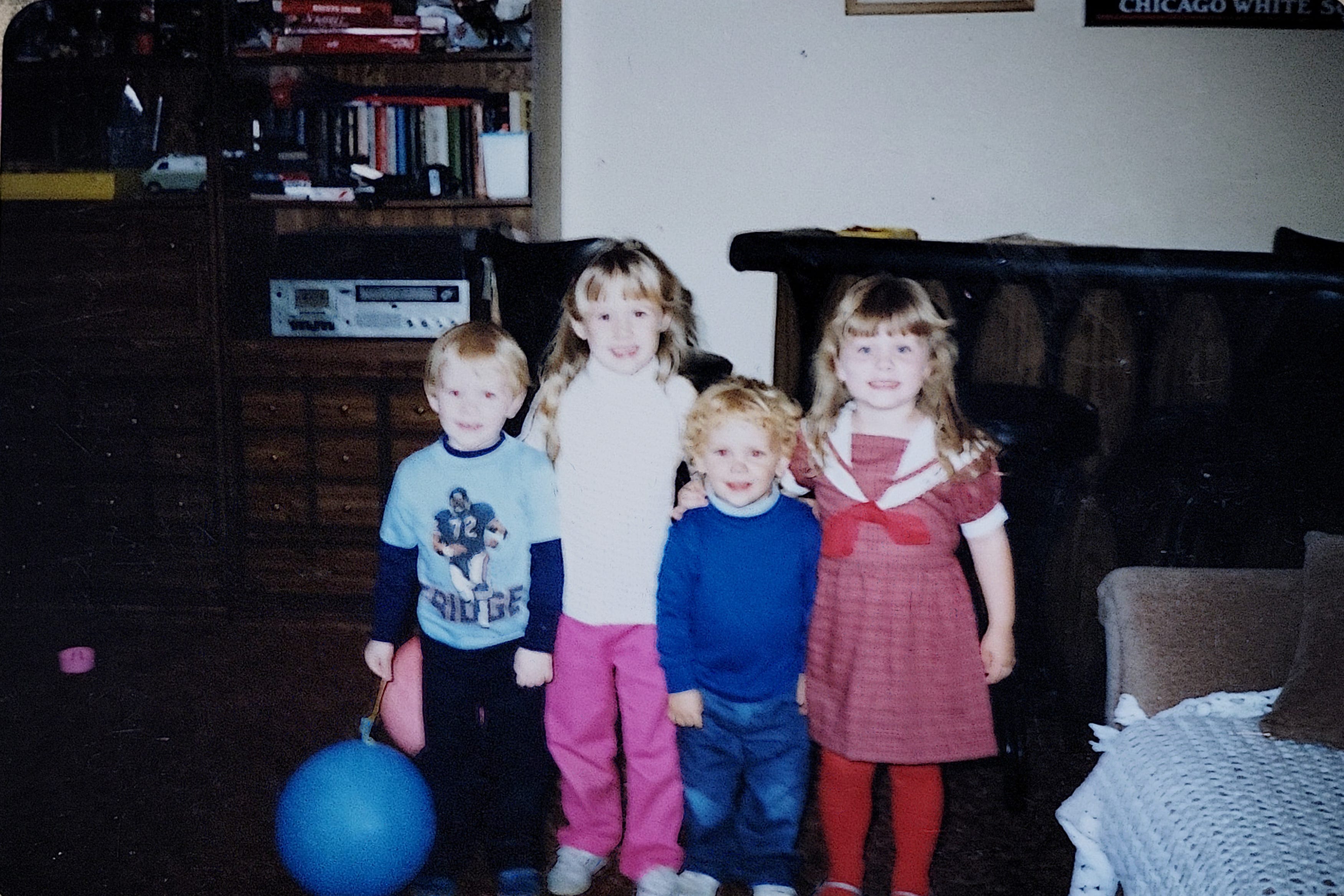
Christopher, I have countless memories of our communal childhood: watching the Ghostbusters projection on your ceiling, playing Teenage Mutant Ninja Turtles in my backyard, dancing in your living room to Forever Your Girl, dancing in my living room to The Lion King soundtrack, riding our bikes across three towns on the Prairie Path and stopping for lunch at The Bar. Our epic blanket fort mansions, countless sleepovers, and free-range summers.
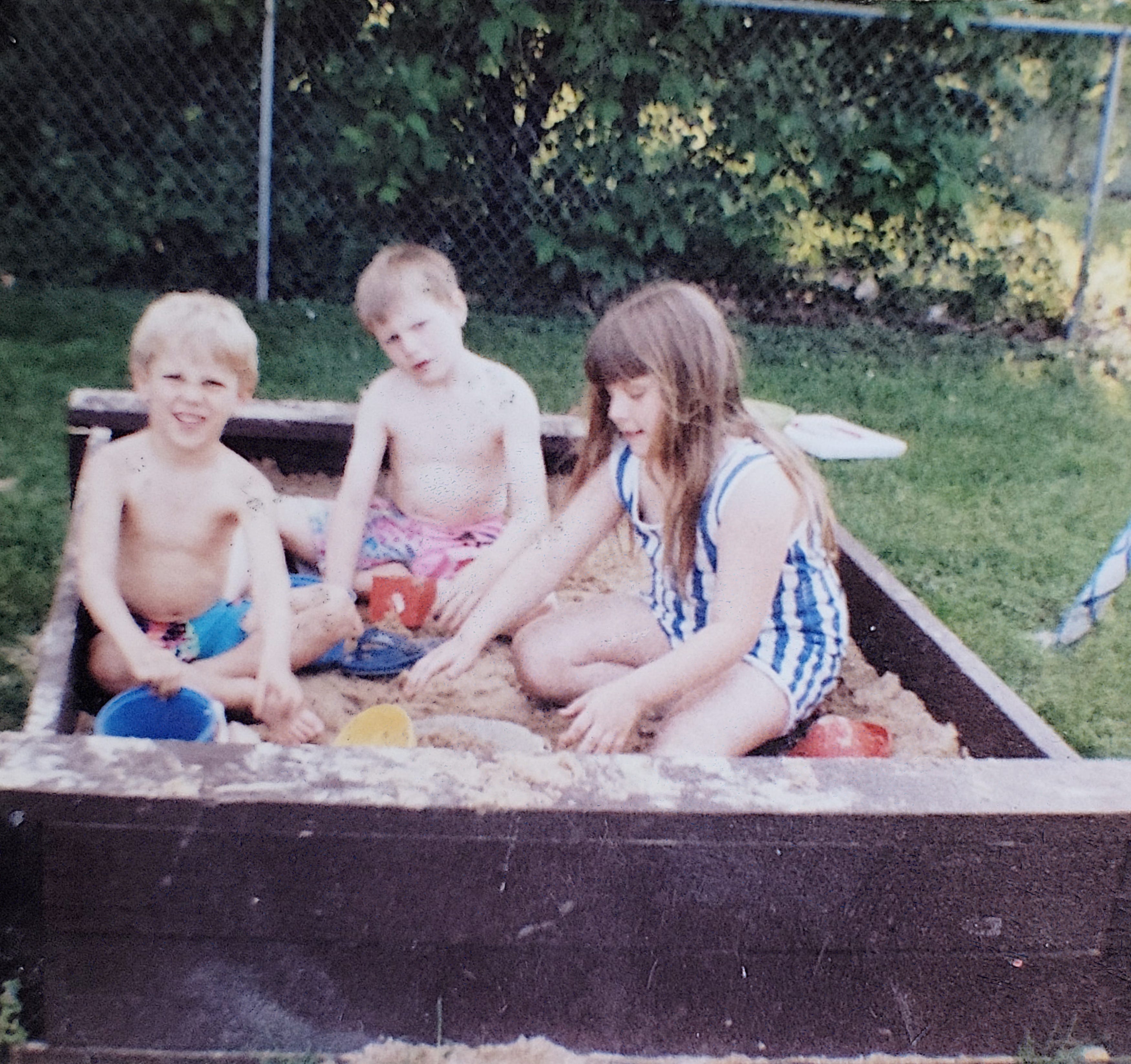
As childhood best friends often do, we grew apart as we got older, and life continued to life. You were in and out of ours, and that became our normal. But always, I felt the slow, quiet grief of knowing that, one day, we'd get that call. And you would be gone.
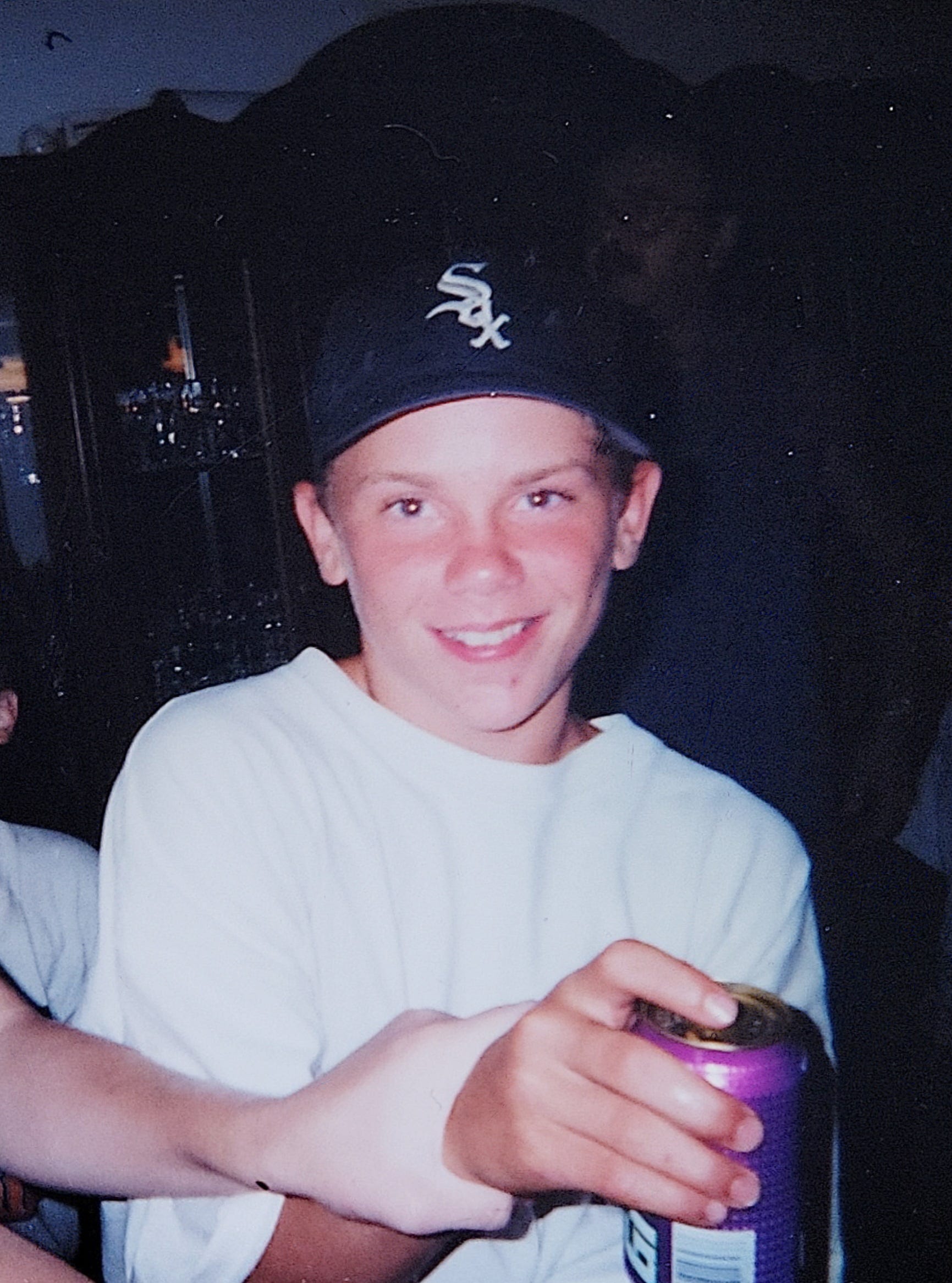
I hope you knew that I never stopped loving you. I guess that’s what feels like matters when someone you love dies. That they know they were loved. That they know YOU loved them. As best you could. With what you had to give.
I pray that you are at peace and free of pain now. I don’t remember if I hugged you the last time I saw you, but I know I told you how much I loved you — and you said it back.
Processing the transition from anticipatory grief to acute grief feels so complicated.
Anticipatory grief is very much like chronic pain — you learn to live with it. It dulls to the background of our hearts and souls and minds. Occasional flare ups or minor pangs can remind you that the pain is there, but you can push through. You continue to live your life, because that's the only option.
But acute grief — similar to acute pain — can hit you like a pile of bricks. Like a thrown back, it can put you out of commission for hours, days, weeks, or months, sometimes even years, and you don't know the timeline until the pain has subsided so significantly that you wake up one morning and it's not the first thing you think about.
And just like that, whether it’s days or weeks or months or years, the acute grief will become normal grief. The active pain will give way to the scar tissue.
And grief, in all its forms, is not linear. It has no timeline. It can surprise you with a wave of memory or emotion or sadness or joy. You might start laughing or shaking your head because you remember something, whether it was an inside joke about a sports shoe store called Dick Pond or that one time you accidentally gave your little cousin stitches and he never told a soul it was your fault.
We all grieve and process pain in our own way. This is mine.
Rest now, my cousin. I love you forever.
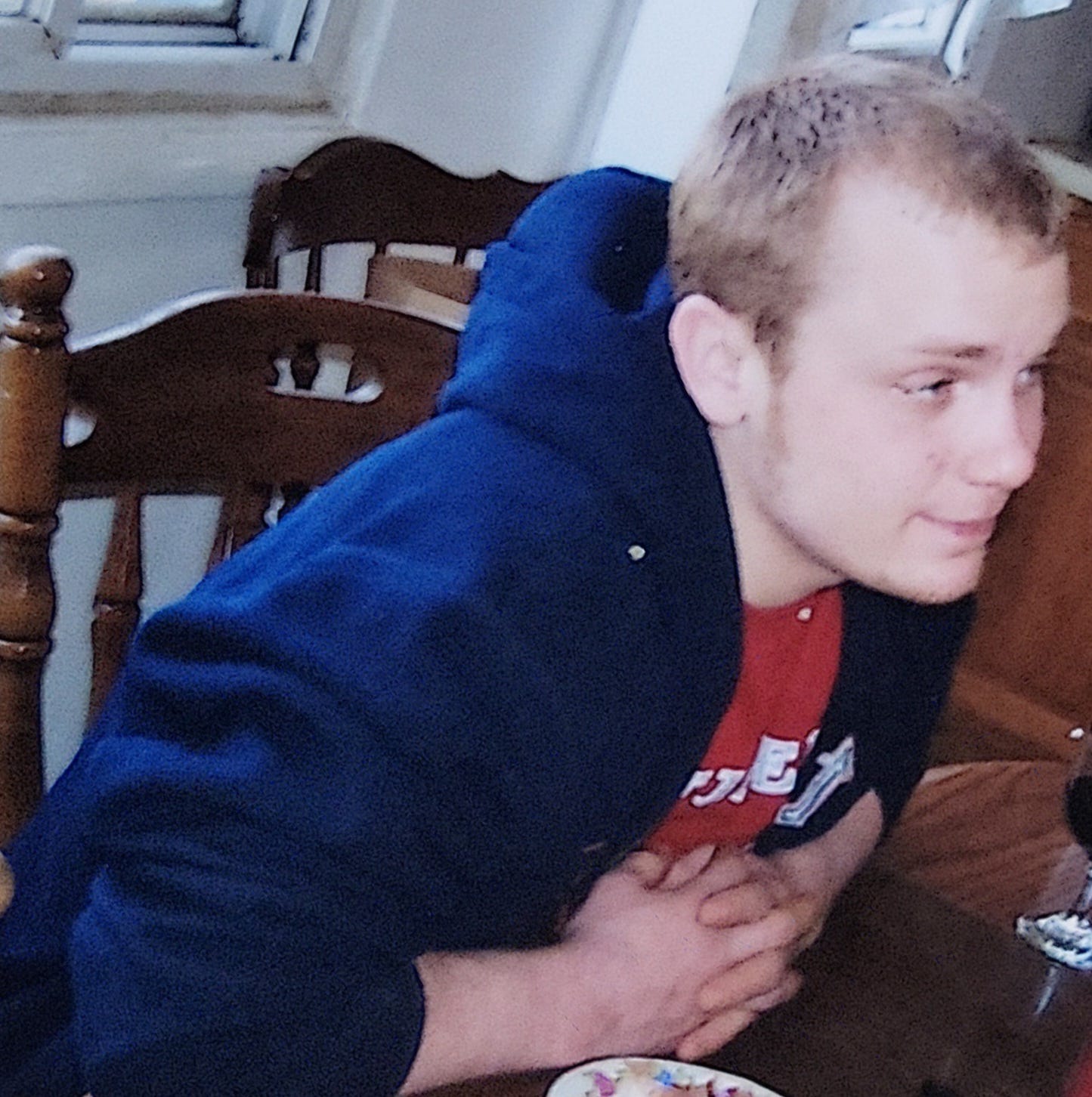
Chris Jones October 12, 1984 — November 16, 2024
I am so sorry for your loss, Chrissy. It brought tears to my eyes because my brother, who was my childhood companion, was named Christopher. As you might know, I sate with him in his last hours as he succumbed to complications of COVID in 2021. Grief comes and goes and is definitely not linear. But I also know my Chris knew I loved him. Again, I am sorry for the loss but am so thankful you both had each other for the time you did.
Wow. Beautifully said.